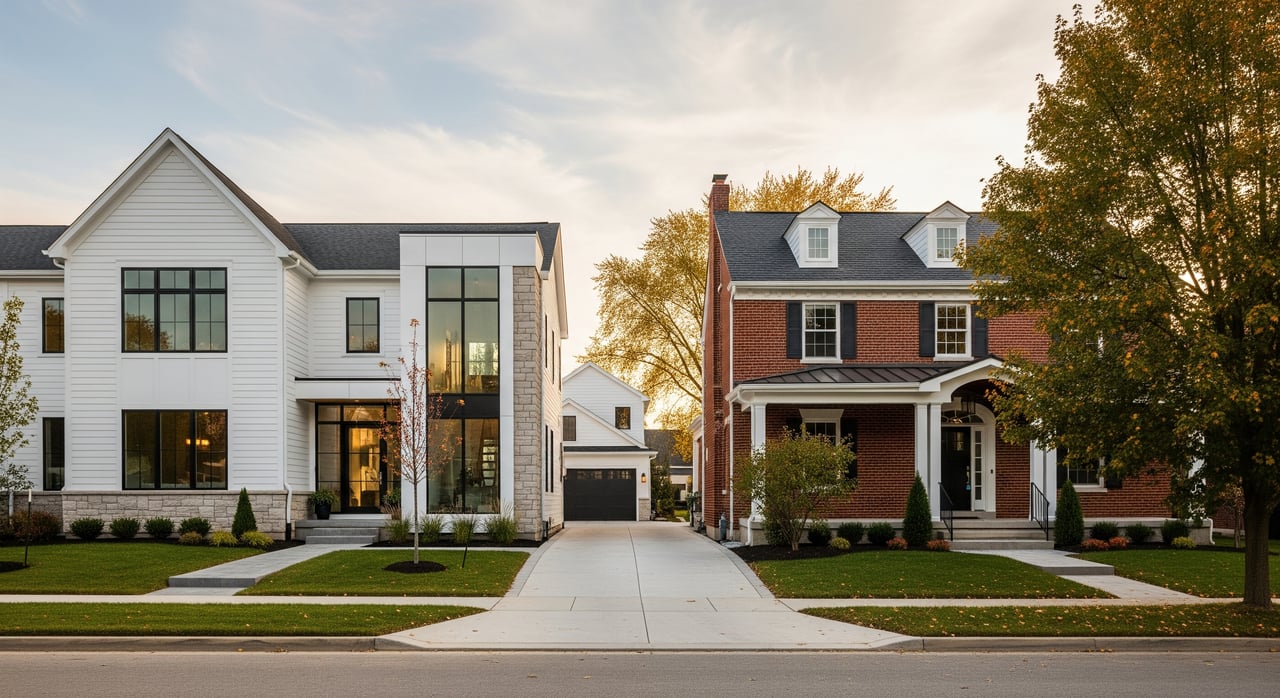
Thinking about a new build or a resale in Pickerington? You’re not alone. Both paths can get you into a great home, but each comes with different costs, rules, and timelines that matter to your budget and lifestyle. In this guide, you’ll get a clear, local look at the trade-offs, a simple way to compare total cost of ownership, and negotiation tips that work in Fairfield County. Let’s dive in.
New vs. resale: key trade-offs
Location and community maturity
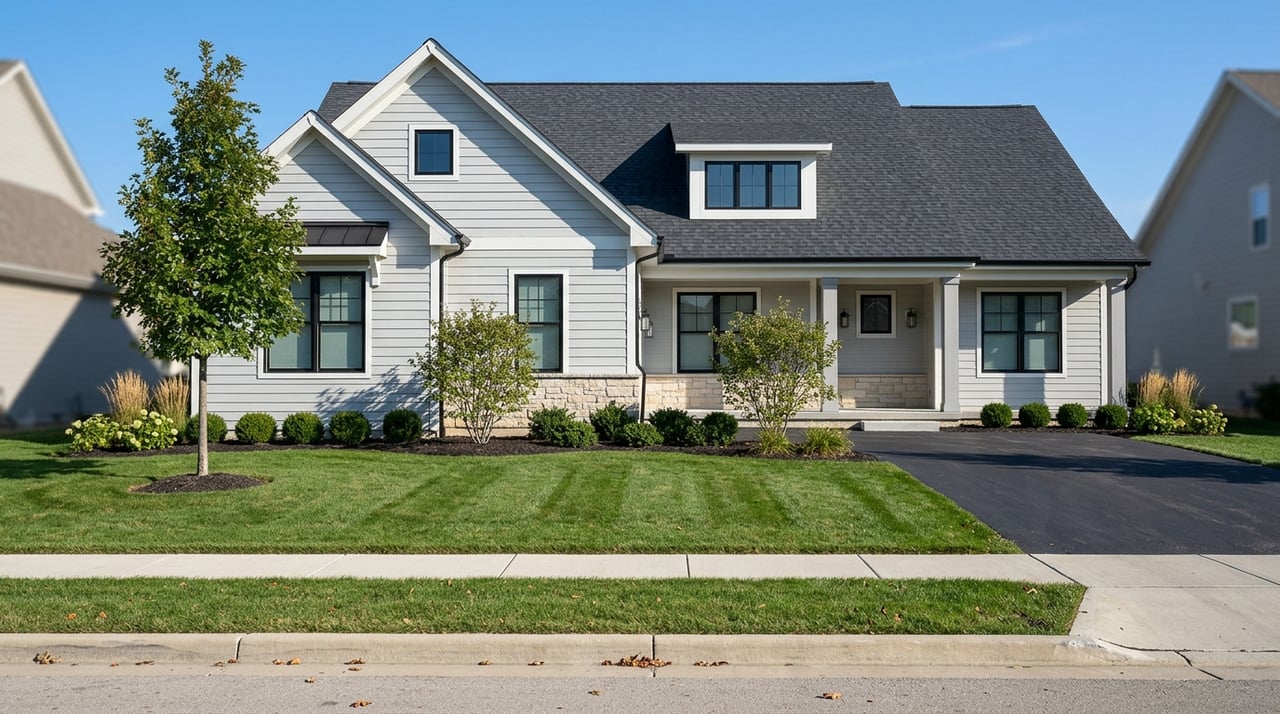
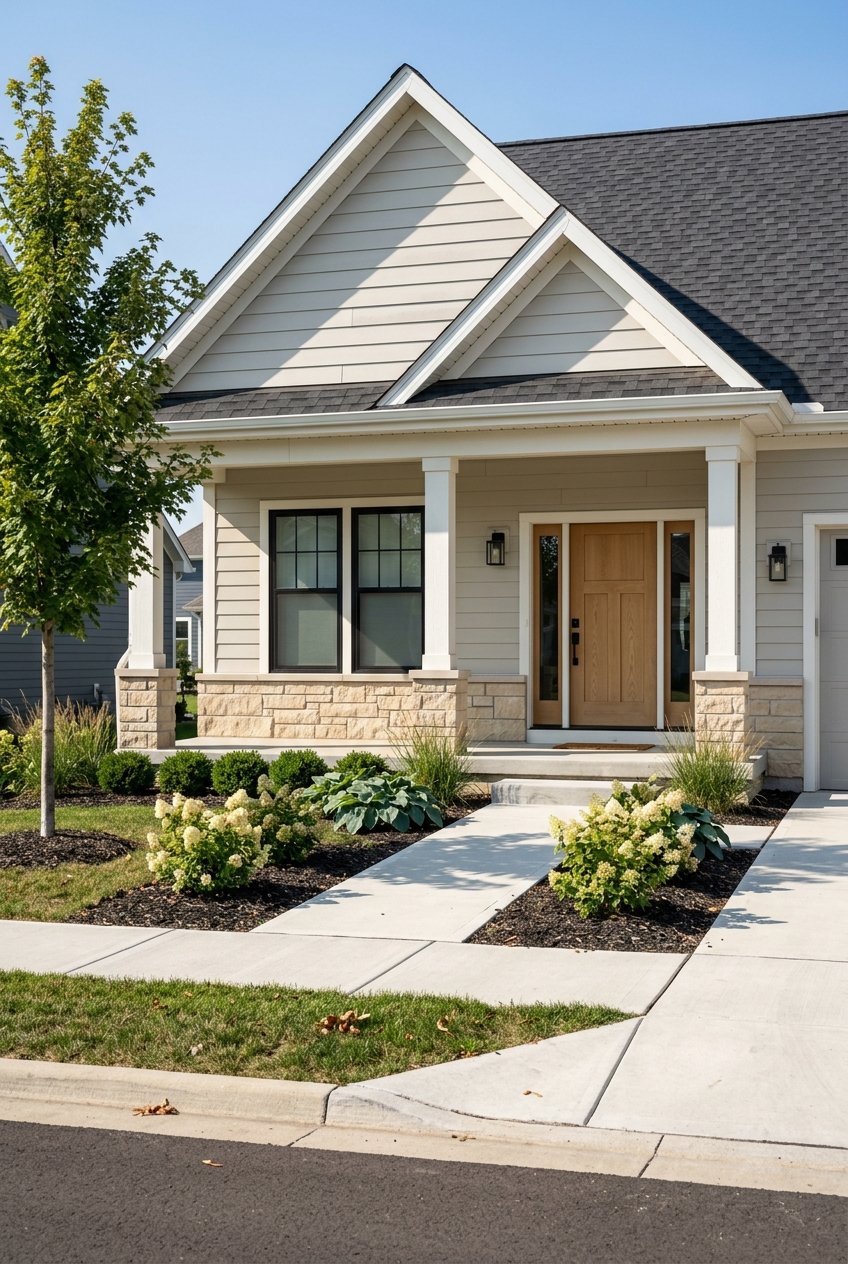
New construction around Pickerington often sits on the suburban fringe or on newly developed infill parcels. You’ll likely see modern layouts, newer streets, and fewer mature trees as landscaping fills in. Adjacent infrastructure and nearby amenities may still be catching up.
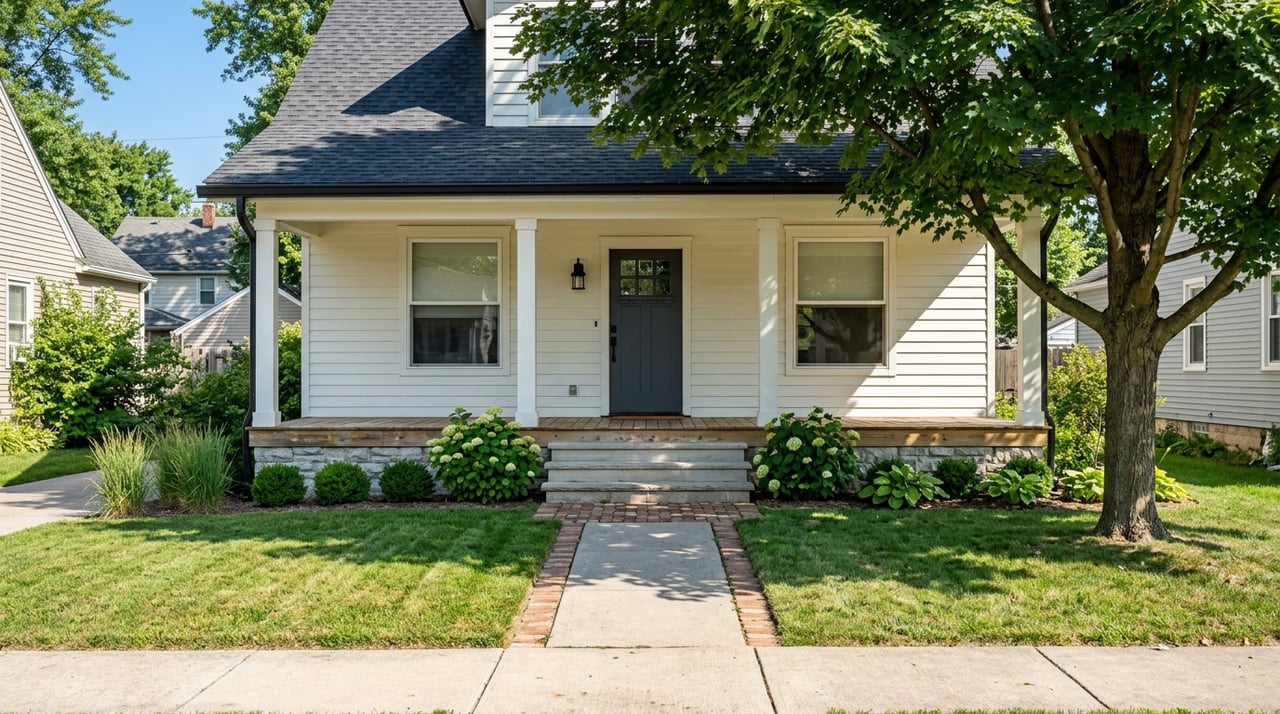
Resale homes are usually in established neighborhoods with mature landscaping and clearer long-term character. They may be closer to existing commercial centers and services. Weigh commute patterns, walkability, proximity to Pickerington Local School District schools, and any planned development when comparing addresses.
Price and incentives
With new builds, the price often reflects a base home plus options and lot premiums. Builders commonly offer incentives that can shift your bottom line, such as closing-cost help, upgraded appliances, or rate buydowns. You’ll find price flexibility is often tighter on base price, but more flexible on incentives, lot selection, and timing.
Resale negotiations typically center on the list price, inspection credits, and closing timeline. Motivation can vary by seller and market conditions. Your strategy should reflect recent comparable sales, days on market, and how your timeline aligns with the seller’s needs.
Warranties and quality assurance
New construction usually includes staged warranty coverage. You may see short-term workmanship coverage, limited systems coverage, and a longer structural warranty. Get the entire warranty packet in writing, including what is covered, exclusions, the claims process, and who services the work.
Resale homes rarely come with builder warranties. Your protection comes from inspections, seller disclosures, and negotiated credits for repairs. If a seller offers a third-party home warranty, review coverage caps and how claims are handled.
HOA rules and fees
Many new communities in the Pickerington area have HOAs that set exterior standards, design rules, and maintenance obligations. Fees can affect your monthly budget and may cover amenities. Review covenants and financials to understand the lifestyle and costs.
Resale homes may also be in HOAs. Always check recorded documents, meeting minutes, and budgets. Reserve funds and potential special assessments play into your total cost of ownership.
Exit value and resale demand
Future value depends on factors like lot position, finish level, community stability, and proximity to amenities. New developments can create short-term competition if many similar homes hit the market at once. Resale homes in established neighborhoods may benefit from limited inventory of comparable properties.
Total cost of ownership in Pickerington
What to include in your TCO
A smart comparison goes beyond purchase price. Build a 5- to 10-year view that captures:
- Purchase price or contract price
- Closing costs and any incentives or credits
- Property taxes and how reassessment may affect a new home
- Mortgage rate and terms, including builder lender incentives and buydowns
- HOA dues and possible special assessments
- Utilities and municipal charges, including water, sewer, and stormwater
- Insurance costs and any required mortgage insurance
- Maintenance and repairs, including landscaping establishment and window treatments for new builds
- Capital improvements and planned upgrades
- Selling costs at exit, including commissions, closing fees, and the time to sell
How to compare over 5 to 10 years
- Set your time horizon, like 5 or 10 years.
- Build annual cost rows for taxes, insurance, HOA, utilities, maintenance, and interest based on your loan. Include any special costs like impact or tap-in fees.
- Add one-time items such as initial landscaping or window coverings for a new home, or immediate repairs for a resale.
- Estimate resale proceeds by modeling conservative and optimistic appreciation scenarios. Subtract selling costs and your remaining mortgage balance to estimate net equity.
- Compare net cost and equity across scenarios to see which path fits your goals.
Practical local inputs to gather
Use public records and current market snapshots for accuracy. Look up property tax millage rates and assessed values by parcel, HOA fee schedules and reserve status, and recent comparable sales. Compare a builder’s lender offer with quotes from independent lenders, and calculate the net effect of any buydowns or credits.
Negotiation strategies that work locally
New construction levers
When base price is firm, focus on incentives. Ask for closing-cost contributions, rate buydowns, appliance or upgrade credits, and reduced lot premiums. You can also seek extended warranty terms, clear completion dates, and inclusion of items like landscaping or driveway sealing.
Timing can help. Builders may be more flexible at quarter or year end or on spec homes nearing completion. Keep your financing strong and your timeline clear to reinforce your position.
Resale offer tactics
Use recent, nearby comparables and days-on-market to set strategy. Structure contingencies to protect yourself, including inspection and appraisal where appropriate. Consider non-price terms like a flexible closing date, temporary occupancy, or seller-paid closing costs if they help both sides reach agreement.
Local checks before you write an offer
Confirm school boundary assignments for the specific address. For new lots, ask about pending infrastructure projects that could change traffic or noise levels. For older neighborhoods, request utility histories and check for any recorded plans on file with city planning.
Warranties, HOA docs, and legal checks
Builder warranties to review
It’s common to see a combination of workmanship, systems, and structural coverage over different time frames. Get the warranty provider’s details, transferability rules, and the full claims process in writing. Document issues early and keep dated records of communications and repairs.
Resale protections to secure
Use inspections, seller disclosures, and negotiated credits to address condition and safety. If a seller offers a home warranty, confirm the start date, coverage scope, and dollar limits. Maintain a clear timeline for due diligence and keep contingencies aligned with your financing.
HOA and CC&R diligence
Ask for the full HOA governing documents, budgets, reserve studies, and recent meeting minutes. Confirm architectural review procedures, exterior design standards, parking and fence rules, and amenity access. Review fee schedules and the history of special assessments.
Title, easements, and assessments
Order a thorough title search to identify recorded easements and utility corridors. Check for any special assessments for sidewalks, sewer, or other infrastructure. These can affect your future use of the property and total costs.
Consumer protection in Ohio
Before signing, read builder contracts closely for dispute resolution terms, such as arbitration or notice requirements. For complex questions about warranties or covenants, consider consulting an Ohio real estate attorney. If issues arise, learn about state resources and industry norms to understand your options.
Quick buyer checklists
New construction checklist
- Full builder contract, including change-order policies and timelines
- Itemized list of included features, allowances, and lot premiums
- Builder warranty documents with provider details and exclusions
- HOA covenants, fee schedule, budgets, and design guidelines
- Permit and construction milestone timeline plus final occupancy plan
- Utility hookup sources and any tap-in or impact fees
Resale checklist
- Recent seller’s disclosure and permit history for renovations
- Licensed home inspection report and estimates for repairs
- Title search with recorded easements and any assessments
- HOA documents and budgets if applicable
- Comparable sales from the last 3 to 6 months for pricing context
How we help you compare, clearly
You deserve a confident decision, not guesswork. A trusted advisor can assemble apples-to-apples TCO comparisons, surface neighborhood-level factors that affect value, and tailor a negotiation plan to your timeline. You also gain support vetting warranties and HOA documents, plus guidance on builder processes and resale contingencies.
If you are weighing new construction against a resale in Pickerington, we can help you build a clear plan and protect your interests from first tour to closing. Let’s connect to map your numbers, your priorities, and your path forward with a calm, step-by-step approach. Ready to get started? Unknown Company
FAQs
How do monthly costs for new vs. resale homes in Pickerington compare?
- Start with a 5- or 10-year total cost of ownership that includes price, taxes, insurance, HOA fees, utilities, maintenance, incentives, and selling costs, then compare net equity and cash flow side by side.
Are builder warranties on new homes meaningful in practice?
- They can be, but terms vary, so get the full warranty packet in writing, note coverage stages and exclusions, and follow the documented claims process with detailed records.
Do HOAs in Pickerington limit exterior changes or landscaping?
- Many HOAs regulate exterior appearance, fences, and landscaping; review covenants, design guidelines, budgets, and the architectural review process before you buy.
Will buying new construction affect my resale potential later?
- It depends on factors like lot location, finish quality, neighborhood stability, and competing inventory; new communities can create short-term competition when many similar homes list at once.
Are there local taxes or fees I should verify before buying?
- Yes, verify property tax assessments, HOA fees, and any tap-in or impact fees for new construction, and review public records for special assessments tied to the parcel.