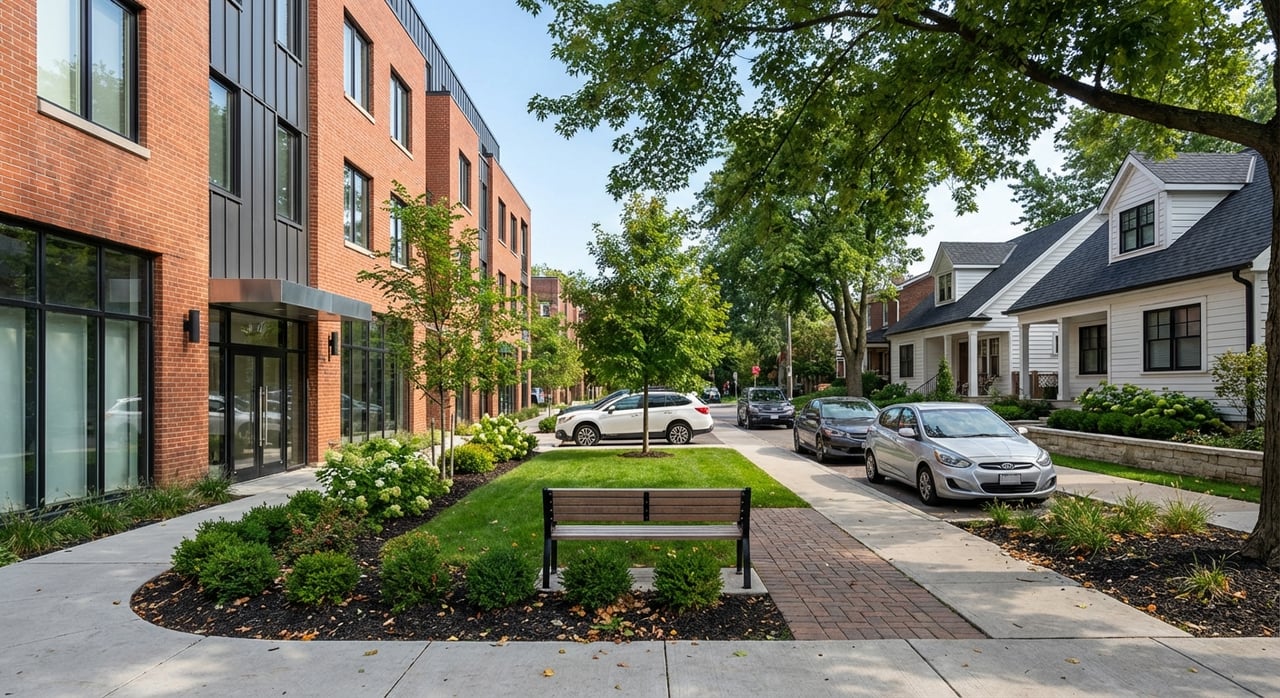
Torn between the buzz of Bridge Park and the charm of Historic Dublin? You are not alone. Both sit along the Scioto River in Dublin, Ohio and each offers a distinct lifestyle, housing mix, and daily rhythm. In this guide, you will compare homes, walkability, dining, parking, parks, and practical buyer tips so you can choose the right fit with confidence. Let’s dive in.
Two downtown vibes at a glance
Bridge Park snapshot
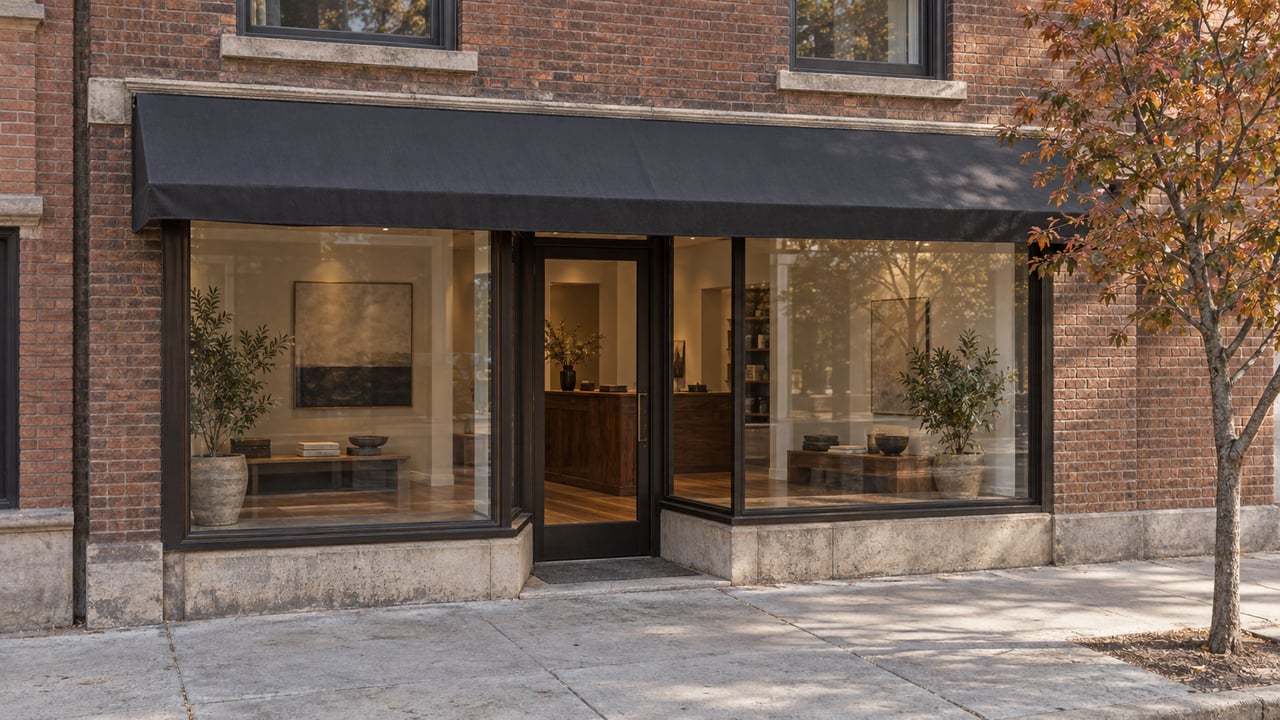
Bridge Park is a planned, mixed-use neighborhood with condo buildings, apartments, Class A offices, hotels, and ground-floor dining clustered along the river. It is designed for walkable living with restaurants and events steps from your door. Explore the district’s concept and lineup on the official Bridge Park site.
Historic Dublin snapshot
Historic Dublin centers on the original Bridge Street and High Street corridors, with brick sidewalks, small storefronts, and preserved architecture. Zoning and design rules keep building scale traditional and character-forward. Learn how the city protects this area’s fabric in the Historic District preservation overview.
Homes and price signals
Bridge Park homes
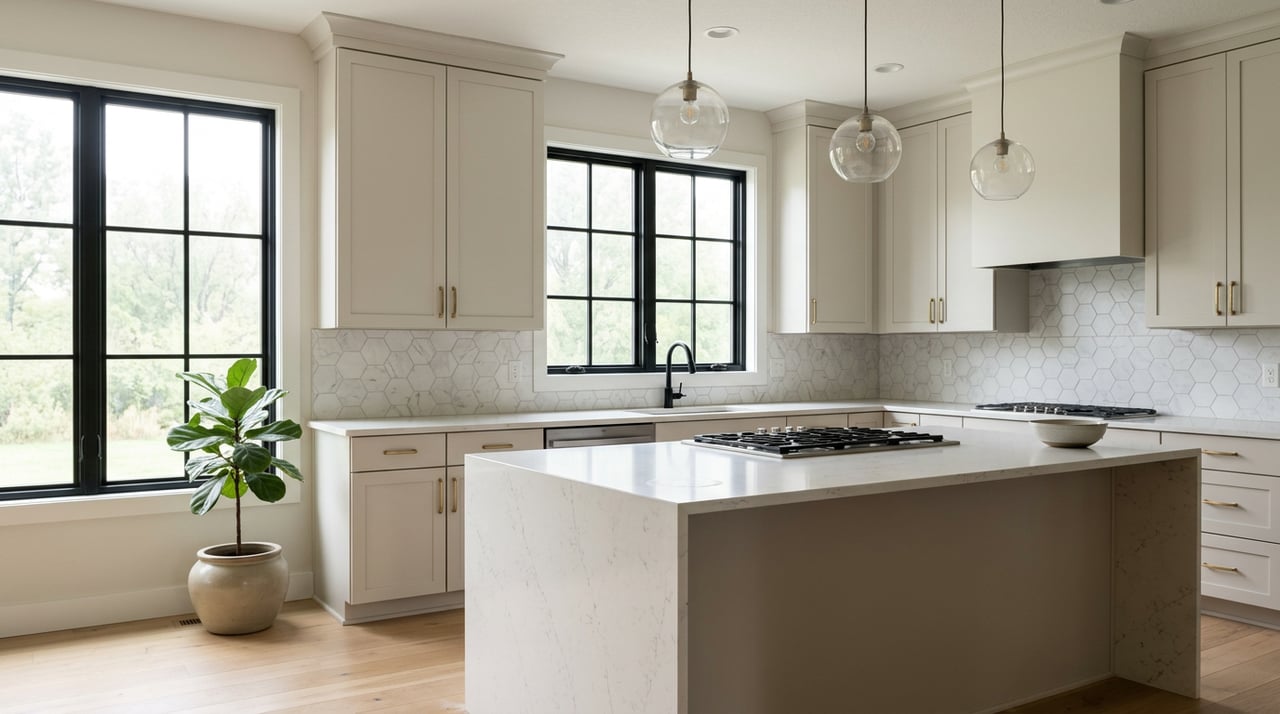
Expect newer luxury condo flats and townhomes, purpose-built apartment communities, and age-targeted options. Amenities often include garage access, covered parking, EV charging, rooftop spaces, and on-site dining at your doorstep. Recent sales in several Bridge Park buildings have ranged from the high $500Ks to above $900K depending on floor plan and finish level, with a 3-bedroom unit selling for about $785K in November 2024. Most condominiums include HOA fees, so plan for monthly costs beyond the mortgage.
Historic Dublin homes
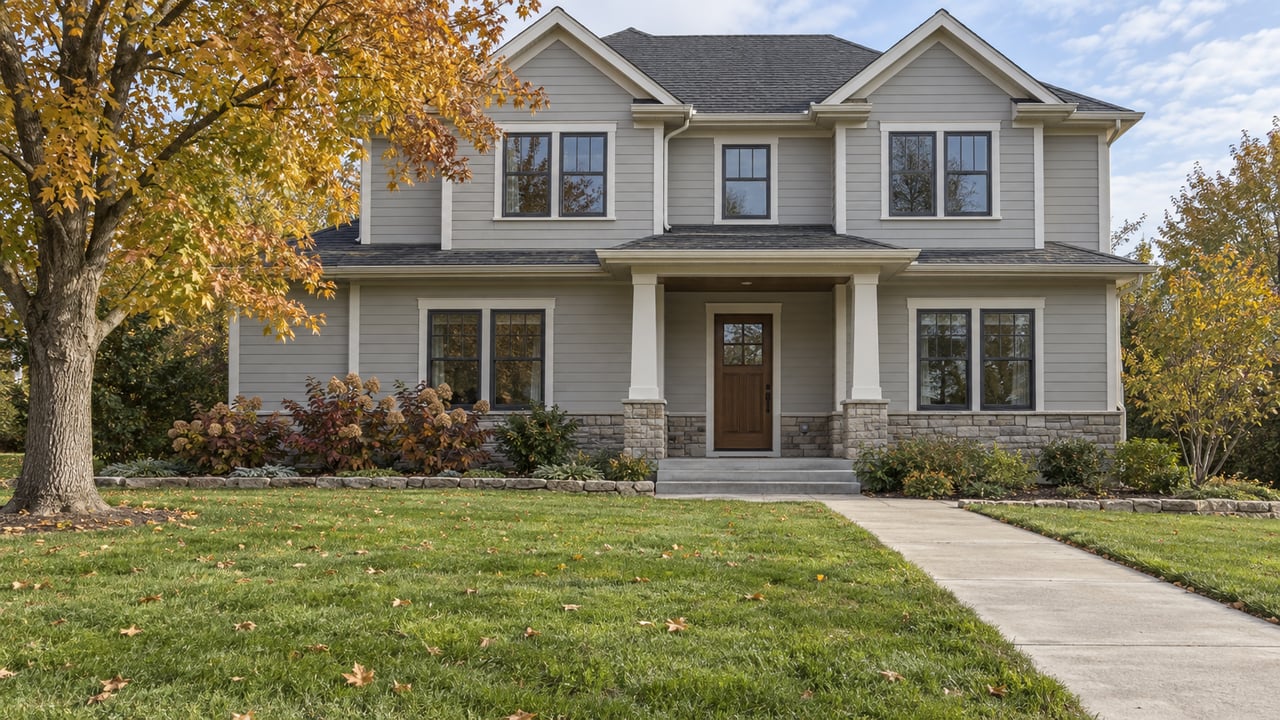
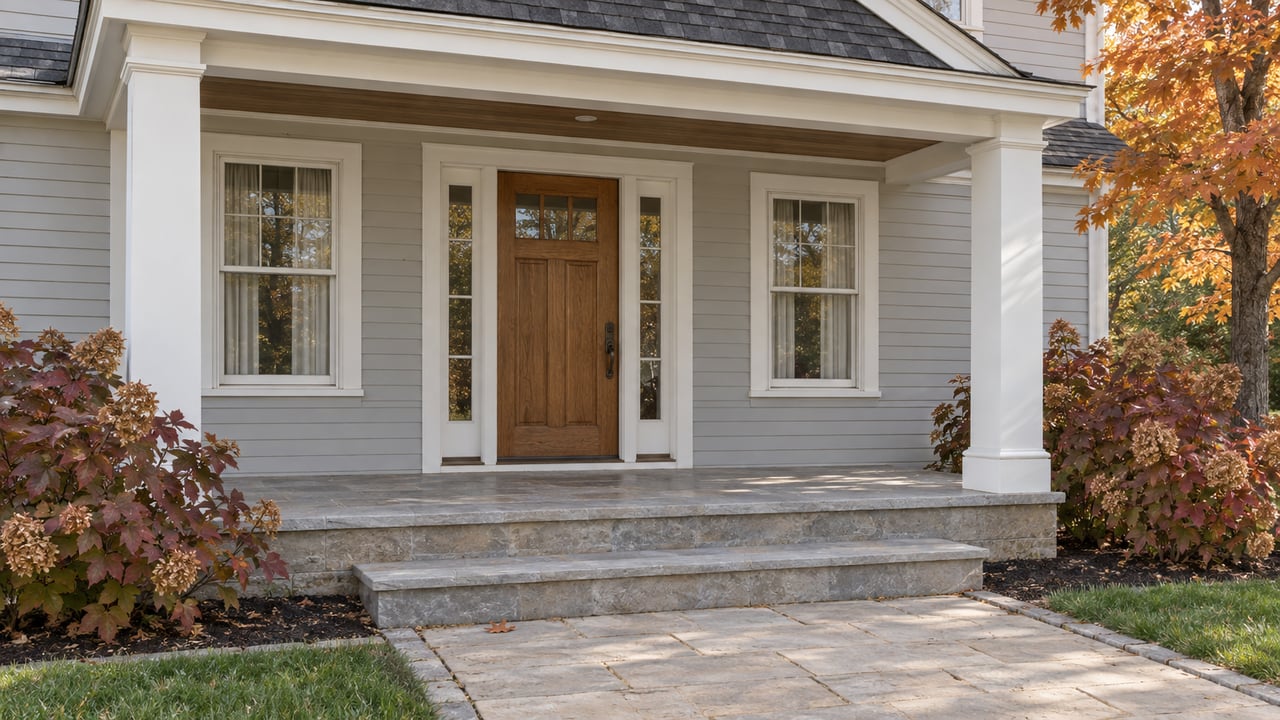
You will find older single-family houses on small to medium lots, historic cottages and craftsmen, and a few small multifamily or converted homes. Many buyers choose this area for traditional details and mature trees. Recent examples include a Historic District single-family sale that closed around $441K in October 2023, while larger, upgraded homes in nearby neighborhoods can reach the high $800Ks to $1M+. Renovations and infill are possible, but they follow historic-sensitive guidelines that influence timelines and design choices.
Walkability and daily errands
If your goal is coffee, dinner, and errands on foot, both areas deliver. Walk Score examples for central Historic Dublin addresses land in the low 70s, while Bridge Park addresses often post in the mid 60s. Both are far more walkable than most suburban neighborhoods. To compare your exact address of interest, check the Walk Score Dublin page.
Dining, nightlife, and weekly rhythms
Bridge Park energy
Bridge Park concentrates newer restaurants and bars plus the food hall at North Market Bridge Park. Expect weekday lunch and happy-hour traffic from offices and hotels, plus weekend markets and regular programming that keep the streets lively.
Historic Dublin charm
Historic Dublin leans into boutique shops, long-running restaurants, and cultural activities along brick sidewalks. The district hosts seasonal events and supports citywide festivals that bring visitors into the core. For a district overview and happenings, see the Historic Dublin Business Association.
Parks, paths, and the river
The Dublin Link pedestrian bridge and Riverside Crossing Park connect both sides of downtown, creating a seamless path for walking and biking between the two districts. Get oriented to the bridge and downtown park system on the city’s Downtown Dublin resources. Larger community events, including the marquee Dublin Irish Festival at Coffman Park each summer, make the historic side a focal point for city traditions. Learn more about the festival at the official Dublin Irish Festival site.
Getting around and parking
Driving and regional access
Both neighborhoods connect quickly to I-270 and state routes for commuting across the Columbus metro. Many residents still use a car for regional jobs or errands outside downtown.
Parking contrasts
Bridge Park was built with a large supply of public garages and on-street spaces. The district lists five garages and more than 2,500 garage spaces, including EV charging, which helps during events and evenings. Review options on the Bridge Park parking page. Historic Dublin relies more on on-street parking and small public lots. Spaces are usually a short walk from the core, and they can feel tighter during dinner peaks or festival weekends.
Buyer checklist: key differences to weigh
- Parking and storage: In Bridge Park, confirm whether your condo includes an assigned garage space or if it is purchased or leased separately. In Historic Dublin, verify off-street parking, driveway capacity, or proximity to public lots.
- HOA and monthly costs: Modern condos typically include HOA fees and possible assessments. Many Historic District single-family homes have no HOA, but factor in maintenance and potential renovation costs over time.
- Noise and nightlife: Bridge Park’s restaurants, bars, and programmed events mean a livelier evening scene. Historic Dublin can be quieter day to day, with periodic surges during festivals. Do an evening walkthrough in both.
- Schools and zoning: Both areas are served by Dublin City Schools. Confirm your exact school assignment with the district’s address lookup. In Historic Dublin, renovations and infill are shaped by preservation rules. Bridge Park follows Bridge Street District design standards.
- Resale context: Product type matters. Newer, amenitized condos can command premiums but include HOA costs. Well-located historic homes with thoughtful updates also show strong demand. Ask for a building or street-specific CMA before you decide.
Which one fits your lifestyle?
- Choose Bridge Park if you want new, maintenance-focused condo living with restaurants, markets, and events right outside. You value garage parking, amenities, and an active, social vibe.
- Choose Historic Dublin if you prefer Main Street character, older homes with personality, and a village-scale feel. You are open to renovation and like being close to city traditions and boutique shops.
Ready to compare homes on both sides of the river in one focused tour? Reach out to Dedra Lucas for concierge-level guidance, neighborhood-specific data, and a plan that fits your goals.
FAQs
How walkable are Bridge Park and Historic Dublin for daily chores?
- Both cores are walkable for coffee, dining, and small errands, with central Historic Dublin addresses often scoring in the low 70s and Bridge Park in the mid 60s on Walk Score.
Will I need a car if I live in Bridge Park or Historic Dublin?
- Likely yes for most regional commutes and larger errands, though both districts reduce short car trips thanks to nearby dining, services, and paths.
Do both areas feed into Dublin City Schools?
- Yes, both are within Dublin City Schools; confirm the exact assignment for your address using the district lookup tool.
How do HOA fees at Bridge Park compare to costs for a Historic Dublin home?
- Bridge Park condos commonly include monthly HOA fees, while many Historic District single-family homes do not, though they can have higher ongoing maintenance.
Which area holds value better over time?
- It depends on product type and location: amenitized condos can earn premiums, and well-updated historic homes in prime spots also perform strongly; compare recent comps for your specific building or street.
Where will I park during busy events?
- Bridge Park offers multiple free public garages that help during peak times, while Historic Dublin relies on on-street spaces and small public lots that may require a short walk.