Are you trying to decide whether Powell is worth the premium for your next home, or if another north-suburban option might fit your life better? That is a common question for move-up buyers who want more space, better daily flow, and a community that feels right for the next chapter. The good news is that Powell, Dublin, Westerville, Delaware, and nearby Lewis Center each offer a distinct mix of housing, amenities, and price point. If you want a clearer way to compare them, let’s dive in.
Why Powell stands out
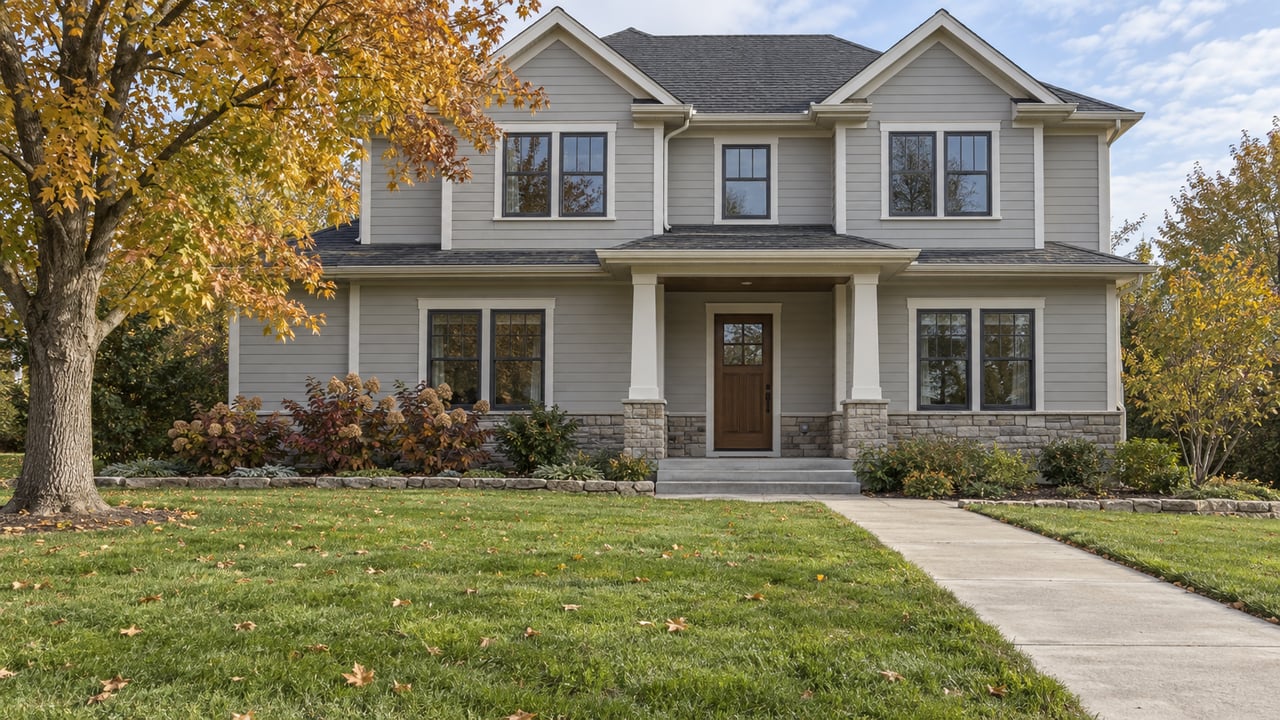
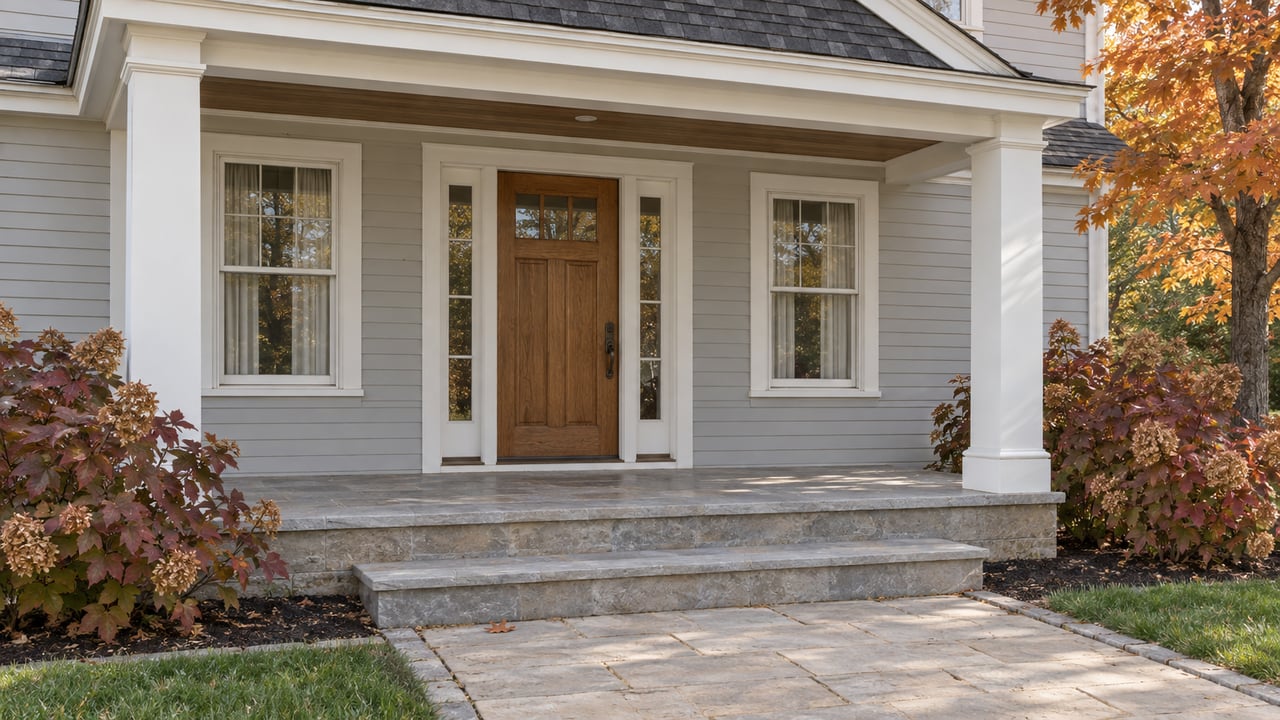
Powell is best understood as a premium suburb with a strong single-family focus and an everyday lifestyle that centers on parks, trails, and a compact downtown. The city’s planning materials show that single-family housing still dominates, and housing diversity remains limited enough that Powell is actively looking at expanding its housing types.
For many move-up buyers, that is part of the appeal. If you want a community that still leans heavily toward traditional neighborhood patterns and detached homes, Powell offers a more focused housing identity than some nearby suburbs.
What “move-up” means in Powell
A move-up choice is not always about getting the biggest house for the lowest price. Often, it is about finding the right balance of home size, neighborhood feel, convenience, and lifestyle amenities that support how you want to live day to day.
In Powell, that value tends to come from the overall setting rather than from being a bargain. Based on current Redfin snapshots ending in May 2026, Powell sits at about a $628K median sale price, which places it near Dublin at the premium end of this group.
Powell’s housing profile
Powell is still largely a single-family suburb. According to the city’s planning review, residential zoning is heavily oriented toward Planned Residence, and the development pattern remains dominated by single-family neighborhoods.
That matters if you are comparing Powell with places that offer more housing variety. Powell can be a strong fit if your goal is a detached home environment, but it may feel more limited if you want a broader mix of townhomes, higher-density living, or more varied neighborhood forms.
A fit for buyers who want consistency
If you are moving up from a smaller suburban home and want a community that feels established and cohesive, Powell can check that box well. Its housing profile supports a predictable suburban experience, which many buyers see as a benefit when narrowing down choices.
At the same time, Powell’s own planning work suggests the city recognizes the need for more housing typology over time. That gives you a good sense of both where Powell is today and how it may evolve.
Powell lifestyle and amenities
Powell’s lifestyle package is compact compared with some larger suburbs, but it is meaningful and still improving. The city promotes a historic downtown, free downtown parking, a DORA, 114 acres of parkland, 29 miles of bike trails, and a new COhatch campus in the downtown core.
For buyers who want access to outdoor space and a small downtown setting, that combination can be appealing. Powell offers a lifestyle that feels more intimate than sprawling, with amenities that support both recreation and casual local activity.
Downtown feel matters
For some move-up buyers, the downtown environment is a deciding factor. Powell’s downtown is smaller than larger mixed-use districts nearby, but that can be a plus if you prefer a more low-key setting.
The city has also focused on downtown traffic flow and parking upgrades, which signals ongoing attention to how people move through and use the area. That practical investment can matter just as much as the visual charm.
How Powell compares on price
One of the clearest takeaways is that Powell is not positioned as the value-priced option in this group. Current median sale price snapshots ending in May 2026 show Dublin at about $634K, Powell at about $628K, Lewis Center at about $547K, Delaware at about $424K, and Westerville at about $403K.
That places Powell much closer to Dublin than to Westerville or Delaware. If your budget has flexibility and your priority is a premium suburban setting, Powell may make sense. If you are trying to stretch your buying power further, nearby alternatives may deserve a closer look.
Powell vs Dublin
Dublin is Powell’s clearest premium peer in this comparison. Like Powell, Dublin still describes itself as primarily a single-family community, but its planning documents also point to higher-density growth around Bridge Park, newer suburban-style homes on the edge of the city, and a broader push for more varied housing choices.
Dublin also has the largest amenity footprint in this group. It offers more than 1,136 acres of developed parkland, 154 miles of bike paths, a community recreation center, and destination areas such as Historic Dublin, Bridge Park, and Riverside Crossing Park.
Choose Powell if you want simpler suburban focus
Powell may be the better fit if you want a premium suburb with a smaller-scale downtown and a stronger emphasis on traditional single-family living. Its appeal is often about focus and feel.
Choose Dublin if you want a similar premium price tier with more housing variety and deeper mixed-use amenities. If urban-style activity and broader amenity depth matter most, Dublin stands out.
Powell vs Westerville
Westerville offers a different value proposition. The city says more than 70% of its housing stock is single-family, but it also notes a wide range from starter homes to executive homes and continued work toward attainable and missing-middle options.
Westerville is also strong on amenities, with 26 parks, 51 miles of trails, more than 650 acres of parkland, a large community center, and an Uptown district supported through revitalization efforts. Its median sale price, at about $403K, puts it well below Powell.
Choose Powell if premium setting is the goal
If you are specifically looking for a premium move-up suburb and are comfortable paying for it, Powell keeps that lane clearer. It offers a higher price point and a more tightly defined suburban identity.
Choose Westerville if you want established suburban convenience, solid amenities, and more room in your budget. For many buyers, that lower price point changes the conversation quickly.
Powell vs Delaware
Delaware brings another useful comparison, especially for buyers focused on price and housing variety. Its comprehensive plan describes attractive existing housing stock, rapid new construction, and neighborhood patterns that range from early and late suburban single-family areas to mixed residential and rural-subdivision forms.
Delaware also offers a traditional downtown setting, a DORA, downtown parking options, 26 parks, and 26 miles of trails. At about a $424K median sale price, it sits notably below Powell.
Choose Powell if you want closer premium positioning
Powell may feel more aligned with buyers seeking a premium suburb closer to the top of this comparison set. Its identity is more narrowly tied to higher-end suburban living than Delaware’s broader mix.
Choose Delaware if you want more pricing room while still getting a downtown atmosphere, parks, and a variety of neighborhood patterns. That flexibility can appeal to buyers who want options rather than one dominant housing style.
Where Lewis Center fits
Lewis Center works as a middle-ground comparison. Based on the research, it sits between Powell and the lower-priced alternatives, with a median sale price around $547K.
If your goal is a family-oriented suburban setting with newer housing patterns but you are not sure Powell’s premium is necessary, Lewis Center may be the closest analogue. It can offer a middle path between Powell’s pricing and the lower-cost options in Westerville and Delaware.
Commute and everyday movement
All of these communities are still largely road-based suburbs, so your day-to-day routes matter. Powell’s materials emphasize Sawmill Parkway, I-270, and SR 315 and US-23, along with downtown circulation improvements.
Dublin highlights I-270 and the US-33 corridor. Westerville describes itself as primarily car-dependent with limited public transportation, while Delaware sits 24 miles north of Columbus along US-23. In practical terms, your best choice may come down to where you need to go most often.
Is Powell the right move-up choice?
Powell is likely the right move-up choice if you want a premium suburb, strong park and trail access, an improving downtown, and a housing profile still centered on single-family living. It is a lifestyle-driven decision more than a price-driven one.
It may be less compelling if you want the broadest housing mix, the deepest mixed-use amenity base, or a lower entry point for similar suburban convenience. In those cases, Dublin, Westerville, Delaware, or Lewis Center may line up better with your priorities.
A simple way to decide
If you are comparing these suburbs, focus on three questions:
- Do you want a mostly single-family suburban setting, or more housing variety?
- Are you comfortable buying near the top of this north-suburban price range?
- Do you prefer a compact downtown feel, or a larger mixed-use environment?
Your answers will usually point you in the right direction. Powell is a strong option, but it is strongest for buyers who know they want its specific blend of premium pricing, suburban consistency, and improving lifestyle amenities.
If you want help sorting through Powell versus Dublin, Westerville, Delaware, or Lewis Center based on your budget and goals, Dedra Lucas can help you compare the trade-offs and move forward with confidence.
FAQs
Is Powell, Ohio a good move-up suburb for buyers?
- Powell can be a strong move-up suburb if you want a premium community with a housing profile centered on single-family homes, plus parks, trails, and a compact downtown.
How does Powell compare to Dublin for move-up buyers?
- Powell and Dublin sit at similar premium price points, but Dublin offers more housing variety and a deeper mixed-use amenity base, while Powell offers a more focused single-family suburban feel.
Is Powell more expensive than Westerville and Delaware?
- Yes. Current median sale price snapshots ending in May 2026 place Powell at about $628K, compared with about $403K for Westerville and about $424K for Delaware.
What kind of housing is most common in Powell, Ohio?
- Powell is dominated by single-family housing, and the city’s planning review notes that housing diversity remains relatively limited.
What amenities does Powell offer compared to nearby suburbs?
- Powell offers a historic downtown, free downtown parking, a DORA, 114 acres of parkland, 29 miles of bike trails, and a new COhatch campus, though Dublin and Westerville have broader amenity footprints.
Is Lewis Center a good alternative to Powell for move-up buyers?
- Lewis Center can be a useful middle-ground option if you want a family-oriented suburban setting with newer housing patterns at a price point below Powell.