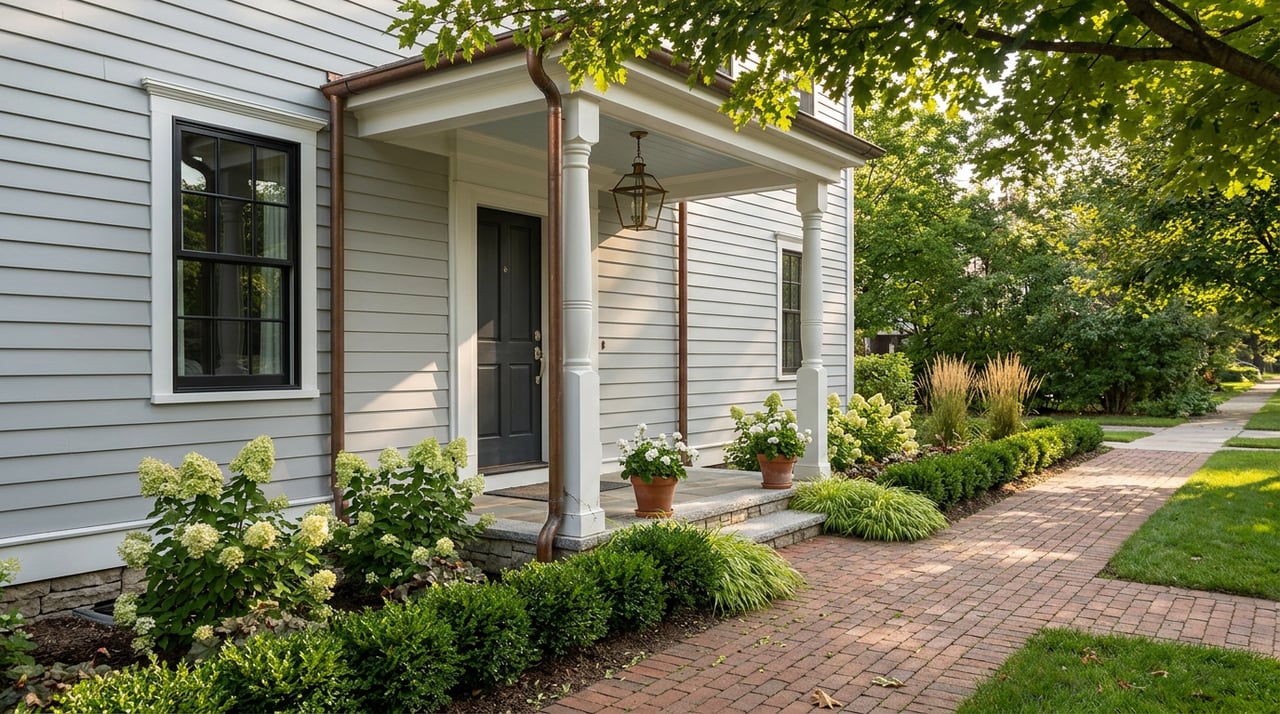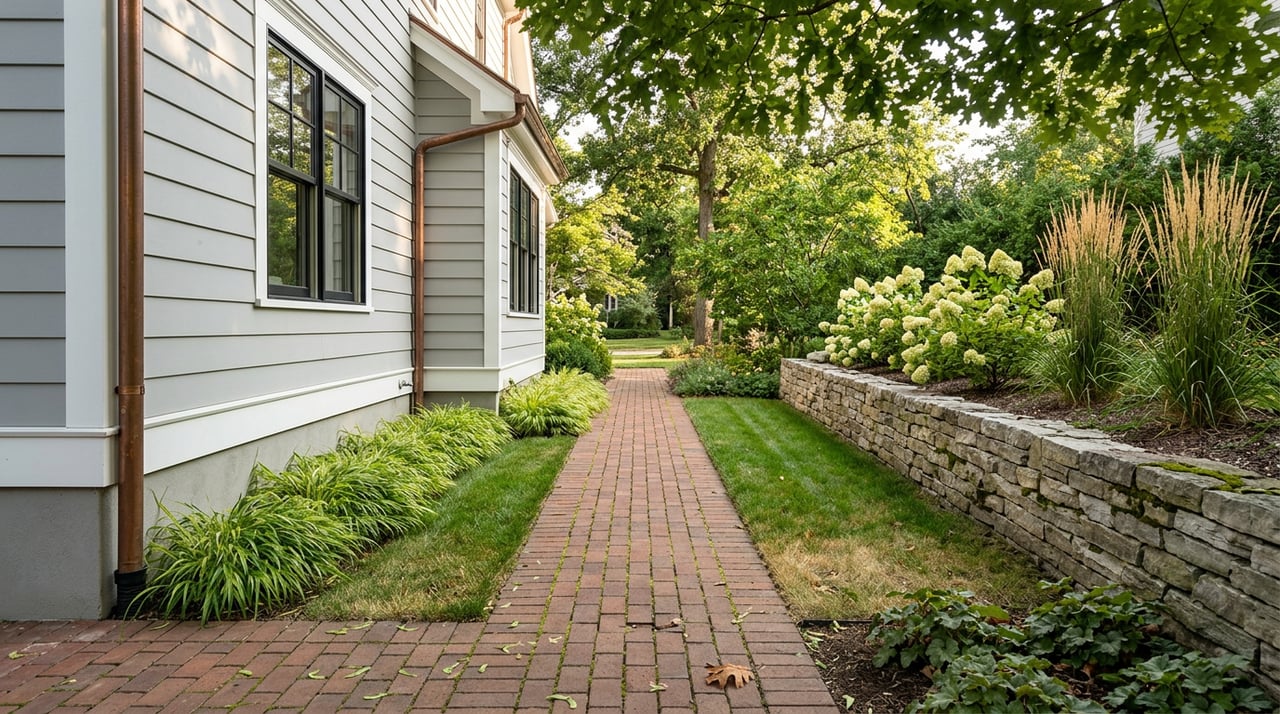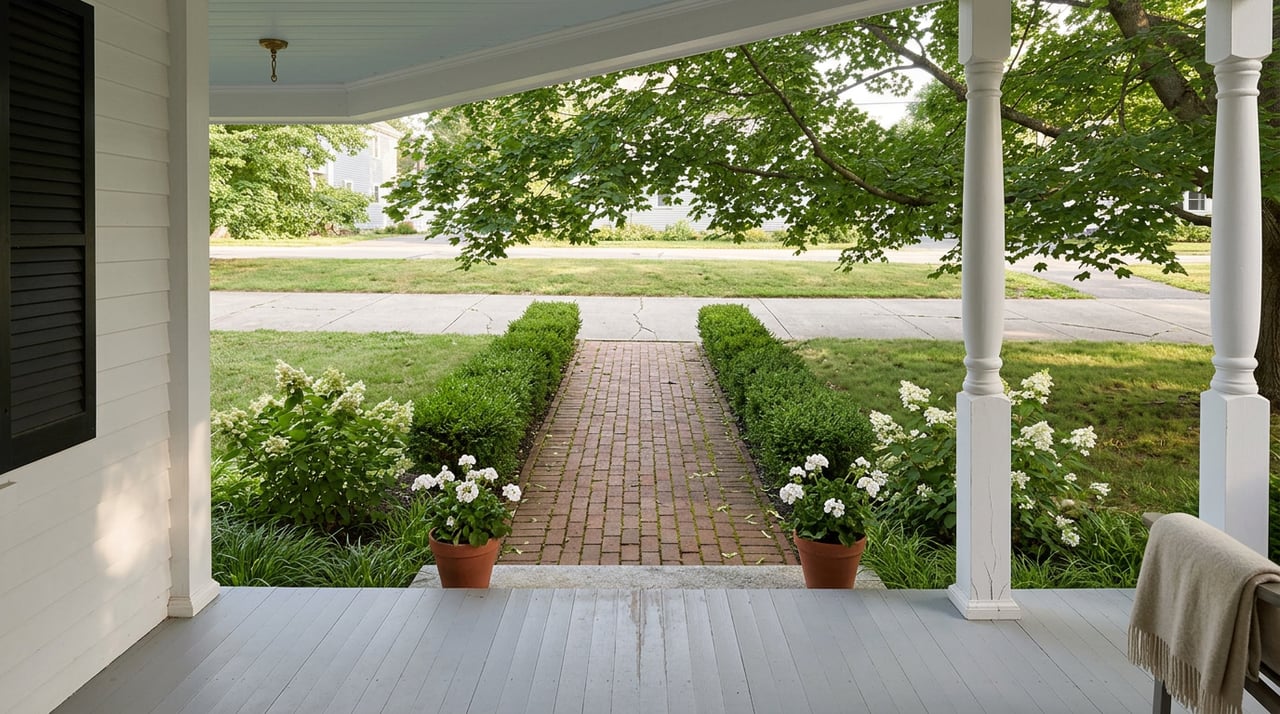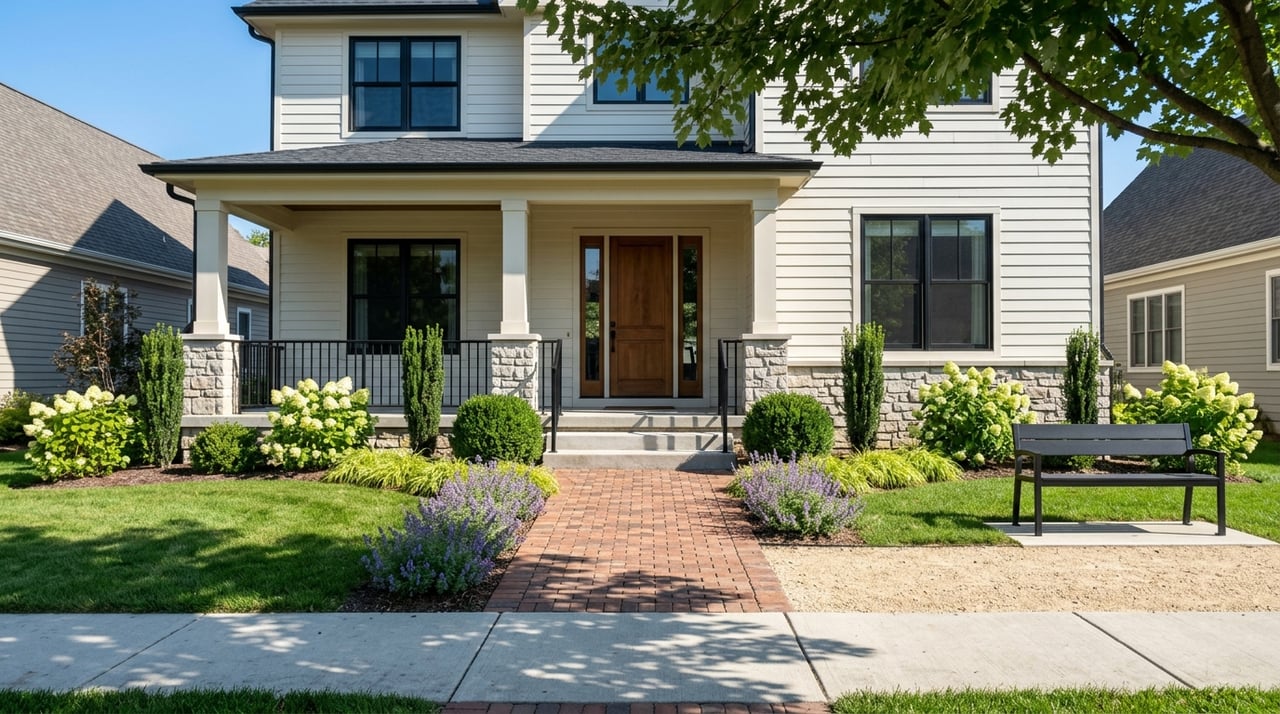
Trying to decide between Columbus and the northern suburbs? You are not alone. Many buyers relocating within Central Ohio or moving here for the first time find themselves weighing two very different daily experiences: a more urban rhythm in Columbus or a more space-oriented routine in places like Dublin, Westerville, Powell, and New Albany. The good news is that there is no one-size-fits-all answer. By the end of this guide, you will have a clearer sense of which lifestyle may fit you best. Let’s dive in.
Start With Your Daily Routine
The biggest difference between Columbus and the northern suburbs is not just the address on the map. It is how you want your everyday life to feel.
Columbus offers the broadest mix of older homes, denser street grids, and transportation options. The northern suburbs tend to be more ownership-heavy and space-oriented, but each has its own town center or village core. In real life, the choice often comes down to how much walkability, housing variety, and yard space you want around your day-to-day routine.
If you picture yourself grabbing coffee, biking on nearby paths, or living closer to a mix of housing types, Columbus may stand out. If you want a quieter neighborhood pattern with a stronger suburban feel, the northern suburbs may be a better match.
Columbus: More Variety, More Urban Options
Columbus gives you the widest range of neighborhood styles in this comparison. The city’s planning framework describes some older neighborhoods as streetcar-era grids with street-facing homes, rear alley garages, and integrated stores and restaurants.
It also includes newer areas that are more auto-dependent, with larger homes and some townhomes or apartments nearby. That means Columbus is not just one type of place. You can find neighborhoods that feel historic and walkable, as well as areas that feel more like newer suburban development.
From a housing profile standpoint, Columbus has an owner-occupied rate of 44.1% and a median owner-occupied value of $252,900. Compared with the northern suburbs, that points to a more mixed market of owners and renters, along with a broader spread of housing types.
Who Columbus Often Fits Best
Columbus may be a strong fit if you want:
- Older housing with more architectural variety
- A broader mix of condos, apartments, and single-family homes
- Stronger transit and bikeway options
- Denser blocks and more urban neighborhood form
- More flexibility in lifestyle from one neighborhood to the next
For buyers hoping to live with less dependence on a car, Columbus has the clearest infrastructure advantage in this group. The city highlights COTA fixed routes, Park & Ride lots, shared mobility options, a growing bike network, and more than 200 miles of Central Ohio Greenways multi-use paths.
Northern Suburbs: More Ownership, More Space
The northern suburbs offer a different kind of appeal. In general, they lean more toward owner-occupied housing, larger lots, and a daily routine shaped more by highway access and local town centers than by citywide transit.
That does not mean they are all the same. Dublin, Westerville, Powell, and New Albany each have a distinct personality, and that is where your lifestyle fit becomes more specific.
Dublin: Active and Connected
Dublin combines a suburban setting with a strong walkable district in the Bridge Street area. The city profile emphasizes attractive housing, direct regional highway access, and the urban, walkable Bridge Street District.
Dublin also stands out for outdoor connectivity. The city has more than 1,136 acres of developed parkland and over 154 miles of bikepath, which can make daily life feel active and connected even if you are still living in a suburban environment.
Its owner-occupied rate is 77.1%, and its median owner-occupied value is $563,500. If you want a suburb with a polished mixed-use core and strong trail access, Dublin is often one of the first places buyers consider.
Dublin Lifestyle Snapshot
Dublin may suit you if you want:
- A suburban home base with a walkable district nearby
- Extensive park and bikepath access
- Direct regional highway access
- A balance between suburban space and mixed-use convenience
Westerville: Flexible and Middle-of-the-Spectrum
Westerville often lands in the middle for buyers who do not want the most urban setting or the most formal suburban feel. The city says buyers can choose from starter homes, executive lifestyle homes, old or new homes, small lots or big lots, and even homes with more of a city-lifestyle slant.
That flexibility is a big part of Westerville’s appeal. Uptown serves as the historic shopping district, and the city maintains 51 miles of trails, giving you both a recognizable town center and outdoor access.
Westerville has a 72.5% owner-occupied rate and a median owner-occupied value of $374,500. Its mean commute is 19.4 minutes, the shortest in this comparison, though commute numbers should be treated as directional rather than exact.
Westerville Lifestyle Snapshot
Westerville may fit if you want:
- A broad range of home styles and lot sizes
- A historic district with local shops and activity
- A suburb that feels balanced rather than extreme
- Trail access and a relatively central position
Powell: Small-Town Feel With Local Walkability
Powell leans into a small-town atmosphere more than the other communities in this group. The city highlights 114 acres of parkland, 29 miles of interconnecting bike trails, and downtown access by walking or biking from parks.
Its downtown revitalization efforts are focused on creating a vibrant, walkable community. That makes Powell appealing if your idea of suburban living includes a compact town center and a more local, close-knit daily pattern.
Powell’s owner-occupied rate is 88.0%, and its median owner-occupied value is $561,500. Its mean commute is 24.3 minutes, the longest in this group, though the bigger lifestyle question is often whether you prefer the town-centered setting Powell offers.
Powell Lifestyle Snapshot
Powell may be right for you if you want:
- A more small-town-oriented suburban feel
- Parks and trails tied closely to downtown
- A highly ownership-focused housing profile
- Walkability centered on local connections rather than a larger mixed-use district
New Albany: Planned and Walkable
New Albany is the most deliberately planned walkable suburb in this comparison. Its Village Center is built around a traditional grid, connected mixed-use areas, and Rose Run Park as a central gathering space.
The city also notes that sidewalks are present in every neighborhood, and the housing mix includes luxury apartments for one- and two-person households. That gives New Albany a more intentionally designed pattern than many suburbs, with walkability built into the community structure.
New Albany has an 88.7% owner-occupied rate and a median owner-occupied value of $772,100, the highest in this comparison. If you want a polished, high-amenity suburban setting with a connected village center, New Albany may rise to the top of your list.
New Albany Lifestyle Snapshot
New Albany may fit if you want:
- A planned community with sidewalks throughout
- A walkable village center and mixed-use design
- A suburban setting with high-amenity appeal
- A housing profile that includes luxury options
Walkability and Transportation Matter
If your ideal day includes the option to walk, bike, or use transit more often, Columbus has the broadest transportation menu. It offers fixed-route transit, Park & Ride options, shared mobility, and a large greenway network.
The suburbs approach mobility differently. Dublin and New Albany have the clearest walkable mixed-use cores, Westerville offers a historic Uptown environment, and Powell’s walkability is more focused on downtown and trail connections.
So when you compare locations, think beyond the word walkable. Ask yourself what kind of walkability you want. Do you want a larger city framework with more routes and options, or do you want a suburban town center where walkability is more concentrated?
Housing Value and Ownership Patterns
One of the clearest differences in the data is housing profile. Columbus stands apart as the lower-cost entry point by census owner-value metrics, but that does not automatically mean every Columbus neighborhood will cost less than every suburban option.
Condition, location, and housing type still matter. A renovated home in one Columbus neighborhood may compare very differently with an older home in a suburb, so it helps to use these numbers as broad context rather than direct price guidance.
Here is a quick snapshot of the owner-occupied rates and median owner-occupied values in this comparison:
| Area | Owner-Occupied Rate | Median Owner-Occupied Value |
|---|---|---|
| Columbus | 44.1% | $252,900 |
| Dublin | 77.1% | $563,500 |
| Westerville | 72.5% | $374,500 |
| Powell | 88.0% | $561,500 |
| New Albany | 88.7% | $772,100 |
These figures are useful because they reflect the overall character of each market. Columbus is more mixed and varied, while the suburbs are more heavily owner-oriented.
How to Choose the Right Fit
If you are still unsure, try narrowing your choice with a few simple questions.
Choose Columbus If You Want More Variety
Columbus may be the better fit if you want neighborhood diversity, older housing stock, stronger car-light options, and a wider mix of owners, renters, condos, and single-family homes. It is often the best match for buyers who want flexibility and a more urban day-to-day feel.
Choose Dublin or New Albany If You Want Walkable Suburban Centers
These two suburbs have the clearest walkable mixed-use cores in this group. If you want suburban living but still want a defined destination area for dining, parks, events, and everyday activity, they are strong options to explore.
Choose Westerville If You Want Balance
Westerville can be a smart middle-ground choice if you want a suburb with a historic center, trails, and a broad range of home options. It often appeals to buyers who want flexibility without leaning too far urban or too far formal-suburban.
Choose Powell If You Want a Small-Town Rhythm
Powell tends to appeal to buyers who want a more compact, town-centered experience. If local trails, downtown access, and a small-town atmosphere matter most, it can offer a very different feel from both Columbus and the larger suburban nodes.
The Best Choice Is the One That Fits Your Life
The right move is not about picking the “best” area. It is about choosing the place that supports your schedule, your housing goals, and the kind of surroundings you want every day.
Some buyers light up when they see Columbus neighborhoods with older homes, connected streets, and more transportation choices. Others feel more at home in Dublin, Westerville, Powell, or New Albany, where ownership patterns, town centers, and suburban space shape a different kind of lifestyle.
If you want help comparing neighborhoods, home styles, and daily routines across the Columbus area, Dedra Lucas can help you narrow your options and move forward with confidence.
FAQs
What is the main lifestyle difference between Columbus and the northern suburbs?
- Columbus generally offers more housing variety, denser neighborhoods, and broader transit and bikeway options, while the northern suburbs tend to be more ownership-heavy and space-oriented with their own town centers.
Which Columbus-area location is best for walkability?
- Columbus offers the broadest citywide transportation and bikeway network, while Dublin and New Albany have the clearest walkable mixed-use suburban cores, with Westerville and Powell offering more localized walkable districts.
Which northern suburb has the most small-town feel near Columbus?
- Powell is the most small-town-oriented in this comparison, with a downtown-focused identity, park connections, and interconnecting bike trails.
Which Columbus-area location offers the most housing variety?
- Columbus offers the widest range of neighborhood forms and housing types, including older street-grid neighborhoods, newer subdivisions, condos, apartments, and single-family homes.
Is Columbus usually more affordable than Dublin, Westerville, Powell, or New Albany?
- By census owner-value metrics, Columbus is the lower-cost entry point in this group, but neighborhood, home condition, and property type can change how individual homes compare.