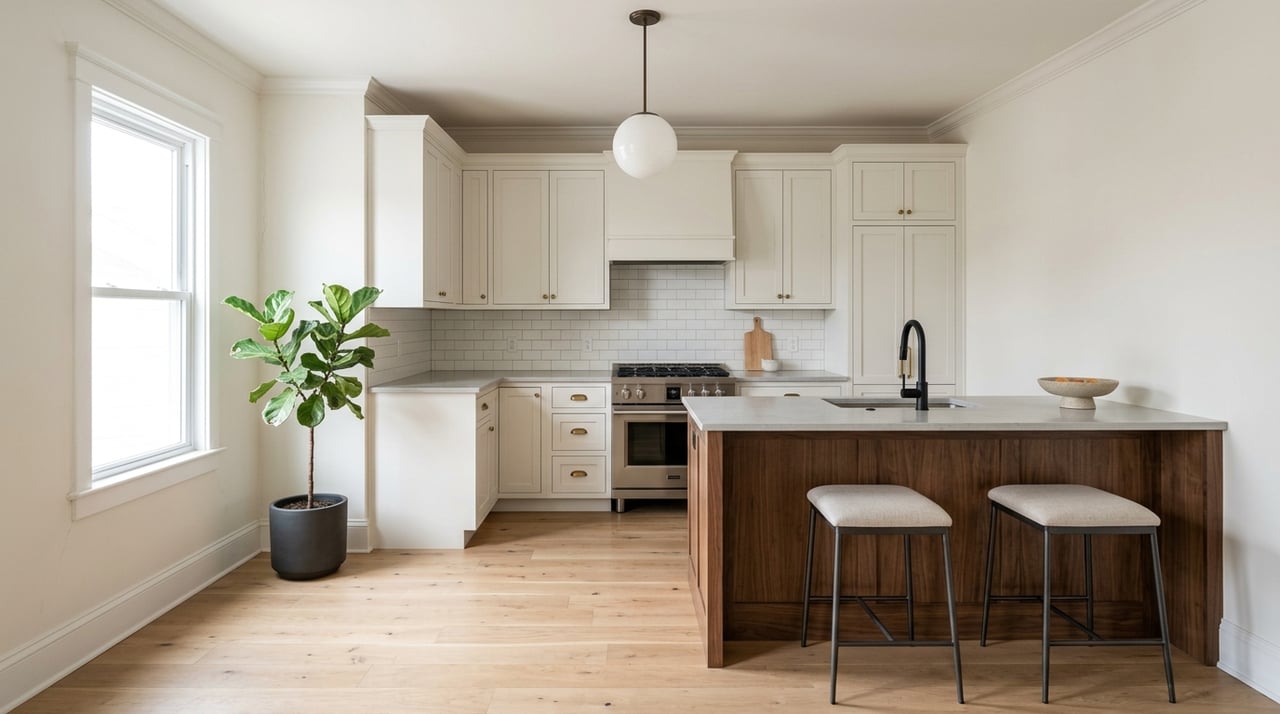
If you are getting ready to sell an older home in Worthington, you may be wondering how much you should update and how much you should leave alone. That is a smart question, especially in a city where historic character is part of what makes a home stand out. The good news is that modern buyers usually do not need a complete reinvention. They need a home that feels bright, cared for, and easy to picture themselves living in. Let’s dive in.
Why staging matters in Worthington
Worthington’s housing market gives sellers a solid opportunity, but it also means buyers are comparing homes carefully. Redfin reports a March 2026 median sale price of $447,500, a median of 35 days on market, and a very competitive market. In that kind of environment, presentation can shape how quickly buyers connect with your home.
Staging matters because buyers often decide how they feel about a property before they ever step through the front door. According to the National Association of Realtors 2025 home staging snapshot, 83% of buyers’ agents said staging made it easier for buyers to visualize the property as a future home, and 73% said listing photos were highly important. For an older Worthington home, that means your online first impression is just as important as the in-person showing.
Keep the home’s original character
Older Worthington homes often have details that newer homes simply cannot copy. The city highlights a broad mix of local house types, including bungalows, Colonial Revival homes, Queen Anne homes, ranches, and split levels, especially in and around Old Worthington and the Architectural Review District. Those homes tend to show their value through proportion, craftsmanship, masonry, trim, porches, and thoughtful design.
That is why staging should support the architecture, not hide it. Worthington’s design guidelines make it clear that original features such as brick exteriors, distinct rooflines, and traditional detailing are central to the area’s visual identity. Inside, that same mindset applies to millwork, built-ins, stair rails, older doors, and windows.
The National Park Service rehabilitation standards also recommend preserving distinctive historic materials and repairing features when possible instead of replacing them unnecessarily. For you as a seller, that usually means cleaning, repairing, and showcasing original details rather than trying to make the home look brand new.
Focus on the rooms buyers notice first
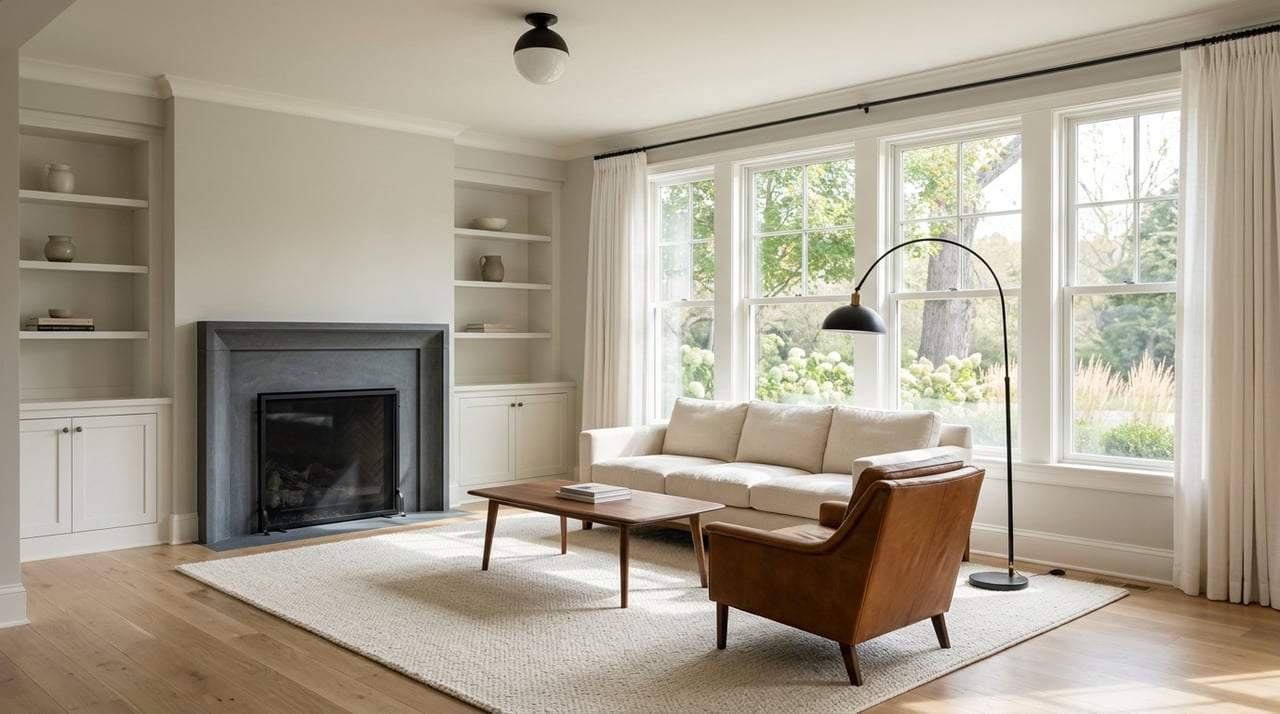
Not every room needs the same level of effort. NAR found that the living room was the most important room to stage for buyers, followed by the primary bedroom and kitchen. If you want the biggest return on your time and budget, start there.
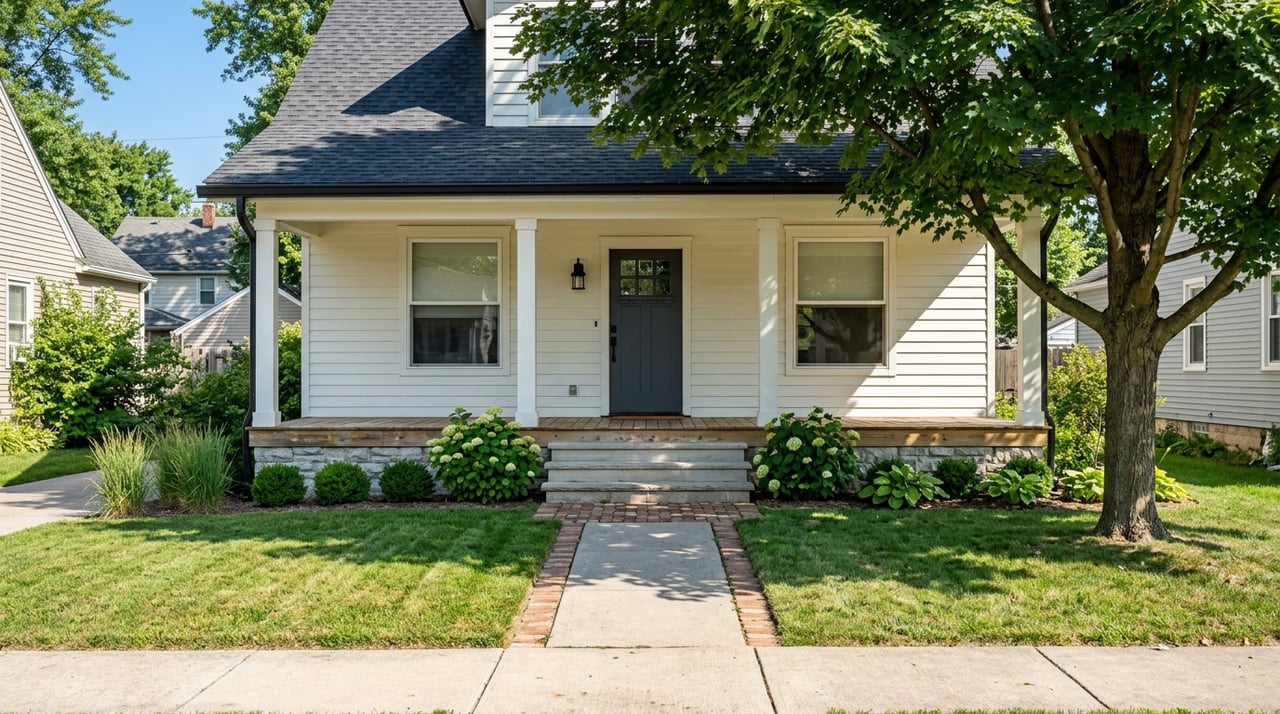
You should also give extra attention to the entry, front porch, and any room with standout original details. In many older Worthington homes, those features help your listing feel memorable online. A bright front room, a welcoming porch, or a beautiful staircase can do more to attract buyers than a long list of trendy decor choices.
Start with a preservation-minded staging plan
A strong staging plan for an older home is usually simple and strategic. You want buyers to notice the home’s charm, while also feeling that the space is functional and move-in ready.
Start with these basics:
- Deep clean every surface, including trim, windows, floors, and light fixtures
- Repair small but visible issues like chipped paint, loose hardware, or worn caulk
- Remove extra furniture so original proportions are easier to see
- Let architectural features stay visible, especially built-ins, fireplaces, windows, and stair details
- Use neutral paint and understated decor so buyers focus on the home itself
- Improve lighting so rooms feel brighter in both photos and showings
This kind of approach lines up with NAR findings that many sellers benefit from decluttering and correcting property faults, even when they do not fully stage every listing. It also fits Worthington’s older housing stock, where thoughtful presentation often matters more than dramatic updates.
Match the staging to the house style
Worthington is not a one-style market, so your staging should respond to the home you actually have. The city’s design guide notes several common local styles, and each benefits from a slightly different approach.
Bungalow staging tips
Bungalows often shine because of their porches, overhanging eaves, and cozy room layout. Keep the porch lightly furnished and uncluttered so buyers can appreciate the architecture. Inside, avoid bulky furniture that makes rooms feel smaller than they are.
Colonial Revival staging tips
Colonial Revival homes often feature symmetry and more formal front-facing spaces. Lean into that order with balanced furniture placement, simple window treatments, and a clean, classic color palette. This helps the home feel polished without looking stiff.
Ranch home staging tips
Ranch homes usually have strong horizontal lines and larger picture windows. Choose lower-profile furniture and leave clear sightlines across main living spaces. That helps preserve the open, grounded feel buyers expect from this style.
Queen Anne or detailed historic homes
If your home has more decorative trim or ornate craftsmanship, resist the urge to compete with it. Use simpler accessories and fewer statement pieces. That lets the original details become the visual focal point.
Make listing photos a priority
Many sellers think staging is mostly about showings, but it really starts with photography. Since NAR reports that listing photos are highly important to buyers, your home should be prepared for the camera before the listing goes live.
That matters even more in Worthington, where buyers may be scanning multiple listings and deciding which homes are worth visiting. In an older home, a few well-composed photos of original charm can create a strong emotional response. Clean sightlines, open curtains, balanced lighting, and carefully edited surfaces can make every image work harder.
Before photos, focus on these spaces:
- Living room
- Primary bedroom
- Kitchen
- Entry
- Front porch
- Rooms with original built-ins, fireplaces, trim, or windows
In many cases, less is more. A room with breathing space often photographs better than one filled with decor.
Avoid over-modernizing before you list
One of the biggest mistakes sellers make with older homes is trying to chase current design trends too aggressively. In Worthington, that can backfire because buyers are often drawn to the very details that make an older home feel authentic.
Instead of removing original materials or covering up classic features, look for ways to make them feel intentional and well maintained. Clean brick, repaired woodwork, fresh but neutral paint, and simple hardware often go further than flashy finishes. The goal is not to erase age. The goal is to show care.
This is especially important in areas affected by Worthington’s review framework. The city notes that exterior alterations in the Architectural Review District may require a Certificate of Appropriateness before a building permit is issued. If you are considering exterior changes before listing, local guidance matters.
What most older Worthington homes really need
Most older Worthington homes do not need a full remodel before they hit the market. They usually need a presentation plan that helps buyers understand the home quickly and appreciate what makes it special.
That often means:
- Cleaner, brighter rooms
- Less visual clutter
- Better furniture scale
- Minor repairs
- Strong listing photos
- A clear focus on original character
NAR reports that 49% of sellers’ agents said staging reduced time on market, while 29% said it increased the dollar value offered by 1% to 10%. When paired with smart pricing and strong marketing, staging can help your home compete more effectively without unnecessary pre-listing projects.
How local guidance can help
Selling an older home is not the same as selling a newer one. You need a strategy that respects the house, appeals to today’s buyers, and fits the expectations of the Worthington market. That is where local experience can make a real difference.
From deciding what to repair to planning photos and highlighting the features buyers notice most, a thoughtful listing plan can protect your time and budget. If you are thinking about selling an older Worthington home, Dedra Lucas can help you create a presentation strategy that honors the home’s character while positioning it for a strong market debut.
FAQs
How should you stage an older Worthington home for modern buyers?
- Focus on preserving original character, decluttering key spaces, improving lighting, and using simple, neutral styling that helps buyers appreciate the home’s architecture.
Which rooms matter most when staging a Worthington home for sale?
- The living room, primary bedroom, and kitchen matter most, with added attention to the entry, porch, and rooms that showcase original details.
Do older homes in Worthington need a full remodel before listing?
- No. Many older homes benefit more from cleaning, minor repairs, decluttering, and strong photography than from a major remodel.
What should sellers avoid when updating a historic Worthington home?
- Avoid over-modernizing, removing original materials, or making exterior changes that diminish the home’s historic character.
When do exterior changes on a Worthington home require city approval?
- In Worthington’s Architectural Review District, certain exterior alterations may require a Certificate of Appropriateness before a building permit is issued.